So, Does Your Cat Actually Hate You? (Probably Not, Here's Why)
Author:sana
Released:March 19, 2026
You’ve probably asked yourself this at some point. You go to pet your cat, and they just… stare at you. Or swat you. Or walk away like you don’t exist. It stings. And the first thought that pops into your head is, “Wow, my cat really hates me.”
Thing is, cats don’t process hate the way we do. They’re not holding a grudge because you were five minutes late with dinner. When a cat acts distant, scared, or even aggressive, there’s almost always something else going on—fear, stress, anxiety, discomfort, or maybe even physical pain. It’s not personal, even though it sure feels that way.
If your feline friend seems to be giving you the cold shoulder, you can usually fix it. You need to figure out what’s actually happening inside that fuzzy little head.
How to Tell If Your Cat Is Stressed (Not Just Being Mean)
Cats talk with their bodies. Once you learn to read the signs, you’ll stop wondering if they hate you and start understanding what they’re trying to say.
Hiding and avoidance are big red flags. If a cat who used to hang out with you suddenly vanishes every time you enter the room, something’s off. Sure, some cats are naturally independent. But a sudden shift from social to solitary often leaves them feeling unwell. Many cats instinctively hide when they’re sick or hurt.
Growling and hissing aren’t just drama. Deep guttural growls or sharp hisses mean your cat feels threatened. Maybe they’re scared of you in that moment, or maybe they’re just scared in general. Either way, it’s a warning. Ignore it, and you might get a swipe or a bite.
Watch the tail and ears. A puffed-up or fast-flicking tail means your cat is agitated. Ears flattened back against the head—sometimes called “airplane ears”—signal fear or anger. You’ll usually see these before you hear any vocal warning.
Eye contact matters. In cat language, a long, hard stare is a challenge. If your cat avoids looking at you altogether, that’s also discomfort. But if they give you that slow, sleepy blink? That’s a huge compliment. It means, “I trust you.”
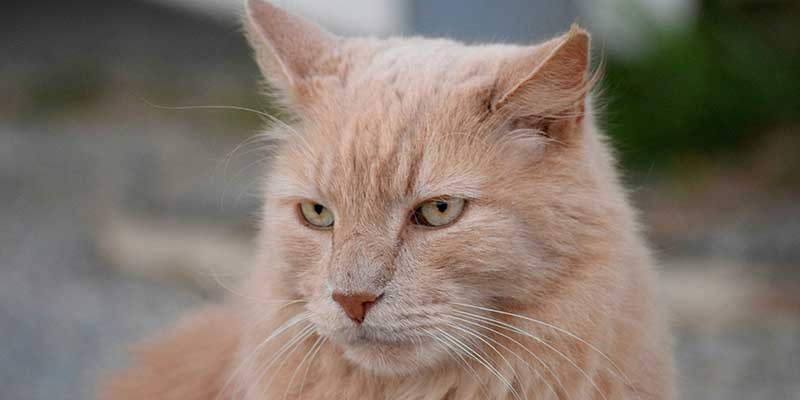
Litter box problems. If your cat suddenly starts peeing outside the box, don’t jump to “they’re being spiteful.” Almost always, this is stress, a medical issue like a UTI, or something about the litter box setup they hate.
Over-grooming or repetitive behaviors. Anxious cats sometimes groom themselves obsessively, even to the point of bald spots. Others might start pacing or meowing excessively. These aren’t hate—they’re stress.
If you notice any of these, don’t panic. Just start paying attention.
Why Your Cat Might Be Acting This Way
Once you’ve ruled out the possibility that your cat just has a dramatic personality, it’s time to dig into real causes. Most of the time, what looks like hatred is just a cat trying to cope with something uncomfortable.
They Could Be Sick or in Pain
This is the first thing to check. Cats are experts at hiding illness and pain. In the wild, showing weakness makes you a target, so they’ve evolved to hide discomfort.
A normally friendly cat who suddenly hisses or swats when you touch a certain spot might have arthritis, dental pain, or an internal issue. A social cat who starts hiding under the bed all day could be unwell. Even subtle changes—eating less, sleeping more, seeming lethargic—can point to a health problem.
That’s why your first step should always be a vet visit. Treating the behavior won’t help if your cat is in pain. Once medical causes are ruled out, you can focus on behavior.
Fear and Stress Are Major Drivers
Fear is the number one reason cats act out. A scared cat isn’t mean—they’re just trying to protect themselves. Think about what’s changed recently.
Did you move to a new house? Bring home a new pet or a new baby? Start a renovation? Did the neighbor get a loud dog? Cats are creatures of habit. Even small changes can throw them off completely.
Sometimes the stressor is you—or how you’re interacting. Reaching down from above to pick up a cat can look like a predator swooping in. Staring directly into their eyes feels threatening. Even petting too long or too hard can overstimulate them, leading to that sudden “love bite” that catches you off guard.
Personality and Past Experiences Matter
Just like people, cats have different personalities. Some are naturally cuddly. Others prefer to coexist without constant touching. That doesn’t mean the aloof cat hates you—they just show love differently (or from a distance).
Past trauma plays a huge role too. A rescue cat who was mistreated may take months or even years to fully trust humans again. That’s not hatred. That’s self-protection. With time and patience, even the most fearful cats can learn to feel safe.
Territorial Disputes and Resource Issues
In multi-cat households, aggression or avoidance might not be about you at all. Cats can get stressed when they feel another cat is invading their territory. They might hiss at you because you smell like the other cat, or because you’ve accidentally blocked access to their food bowl or litter box.
Make sure you have enough resources: multiple litter boxes (one per cat plus one extra), separate feeding stations, and plenty of vertical space like cat trees and shelves so cats can escape from each other.
What You Can Actually Do About It
Alright, so your cat isn’t plotting against you. Now what? Here’s the real work—rebuilding trust and strengthening your bond.
Start With Health and Trust
Start with a vet visit. Seriously. Before you try behavior tricks or buy any products, take your cat to the vet. Rule out pain, illness, or age-related issues like vision or hearing loss. Sometimes a simple health check solves the whole mystery.
Learn the slow blink. This is free, easy, and surprisingly powerful. When you catch your cat’s gaze, slowly close your eyes, hold for a second, then slowly open them. If your cat blinks back, you just had a conversation in cat. Do this daily. Two minutes of slow blinking can reduce stress for both of you.
Give them space and let them come to you. The fastest way to make a cat dislike you is to force interaction. Stop scooping them up when they do not want to be held. Stop chasing them when they hide. Instead, sit quietly in the same room, maybe on the floor at their level, and let them approach when ready. By respecting boundaries, you show you are not a threat.
Build Small Daily Routines
You do not need hour-long bonding sessions. Short, consistent interactions work better. Try these five-minute habits:
Morning treat time: Hand-feed a few treats while talking softly. If they will not take food from your hand, leave treats nearby and slowly work up.
Evening brush session: Gently brush behind the ears and under the chin. Many cats find this deeply relaxing.
Scheduled play: Use a feather wand for 5–10 minutes. Let them stalk, pounce, and “catch” the toy. End with a treat to complete the hunting sequence.
Predictable feeding: Feed them at the same times every day. Consistency helps cats feel secure.
Create a Lower-Stress Home
Small environmental changes can make a huge difference:
- Provide hiding spots like cardboard boxes or cat caves in quiet areas.
- Offer vertical space—cat trees, shelves, or window perches—so your cat can observe from above.
- Keep litter boxes clean and placed away from food and water.
- Use multiple water sources; many cats prefer moving water from a fountain.
- Avoid strong scents like candles or essential oils. Cats rely heavily on smell, and unfamiliar odors can stress them out.
- Rotate toys weekly to keep things interesting.
Products That Can Help Rebuild the Bond
If you want some extra help, a few products are worth considering. They won’t replace genuine bonding, but they can support the process.
FELIWAY pheromone diffusers: These plug into an outlet and release synthetic feline facial pheromones, which signal to your cat that the environment is safe. They’re clinically shown to reduce stress-related behaviors like spraying, scratching, hiding, and fighting. Great for multi-cat households or after a move.
Beaphar CatComfort Calming Spray: A portable spray version of pheromone therapy. Use it in travel carriers, on scratching posts, or in specific areas where your cat shows stress. Each application lasts about five hours.
Catit Senses 2.0 Play Circuit: Interactive toys that mimic prey movement. Look for wand toys, treat-dispensing puzzles, or moving balls that trigger their natural chase response.
Dr. Elsey’s Cat Attract Litter: If litter box issues are part of the problem, this litter is formulated to encourage use. Vets often recommend it for cats who’ve developed aversions to their box.
Tall scratching posts: Cats need to stretch fully when scratching. A post that’s too short won’t satisfy them. Look for one at least 32 inches tall.
What If Nothing Seems to Work?
Sometimes, despite your best efforts, your cat keeps acting fearful or aggressive. If you’ve already seen a vet and ruled out medical issues, consider a certified feline behaviorist. They can observe your cat at home and create a tailored plan. This is especially helpful for severe aggression or deep fear.
Never punish your cat for aggressive behavior. Punishment almost always increases fear and makes things worse. Instead, focus on finding triggers, redirecting aggression to toys, and rewarding calm behavior with treats and praise.
Signs Your Cat Actually Loves You
Before you get too down on yourself, notice the small ways your cat might already be showing affection. You might be missing the signals because you’re looking for dog-style enthusiasm.
Slow blinking at you: That’s a cat kiss. If you’re getting these, you’re loved.
Head-butting or bunting: Rubbing their face against you marks you with their scent. They’re claiming you as part of their social group.
Kneading (making biscuits): This comes from kittenhood when they kneaded their mother for milk. Adult cats who knead on you feel deeply comfortable and safe.
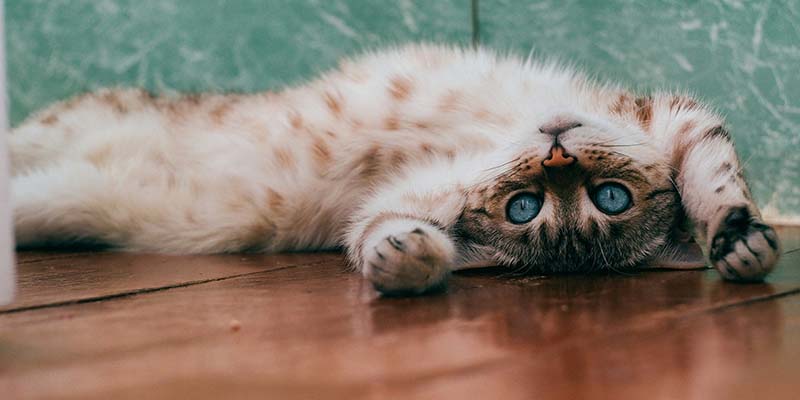
Showing their belly: Ultimate trust. Just remember, it’s often not an invitation to touch the belly. Appreciate the gesture.
Following you from room to room: Cats who want to be near you (even if not on you) enjoy your company.
Purring and trilling: Soft purrs and chirpy sounds usually mean they’re happy and content.
Here’s one that sticks with me. A cat named MoMo, eight years old, started hissing and swatting at his owners after their primary caretaker moved away. He hid behind curtains, avoided everyone, only came out when the house was empty.
The behaviorist didn’t use punishment or force. They put in a Feliway diffuser. They asked the owners to stop grabbing or chasing MoMo and instead call his name and wait for him to approach. The owner MoMo was most aggressive toward started offering wet food without trying to touch him. They added daily play with feather toys, always followed by treats.
Within a week, MoMo got friendlier. He started approaching for strokes and eventually came out to sleep on their bed. No magic. Just patience, consistency, and seeing things from the cat’s point of view.
When You Should Actually Worry
If your cat’s behavior change is sudden, severe, or comes with physical symptoms like vomiting, diarrhea, lethargy, or loss of appetite, don’t wait. Go to the vet immediately. A sudden switch from friendly to aggressive is one of the most common signs that something is medically wrong.
Same thing if they start eliminating outside the litter box and you’ve ruled out medical causes. That’s a major stress signal that needs addressing, not punishment.
Look, living with a cat isn’t always smooth. They’re not dogs. They won’t greet you with a wagging tail every single time. Cats have boundaries, preferences, and personalities that don’t always match what we expect. That’s also what makes them interesting to live with.
If your cat seems distant or grumpy right now, don’t take it as a personal failure. Chances are, something in their world is off, and they’re just not great at explaining it in English. The good part is, once you figure out what’s wrong—pain, stress, boredom, or just a need for space—you can fix it. And that process of earning their trust back? That’s when real bonding happens.
So no, your cat doesn’t hate you. They’re just trying to tell you something. Your job is to listen.
Related Posts
Cat Hiding Behavior: When It's Normal And When It's Not
How To Stop Cats Scratching Furniture Without Punishment

Is Your Dog Cold? How To Tell If They Need a Coat

Vaccinations Schedule for Puppies: What Owners Need to Know

How to Help Your Pet Lose Weight Safely and Keep It Off